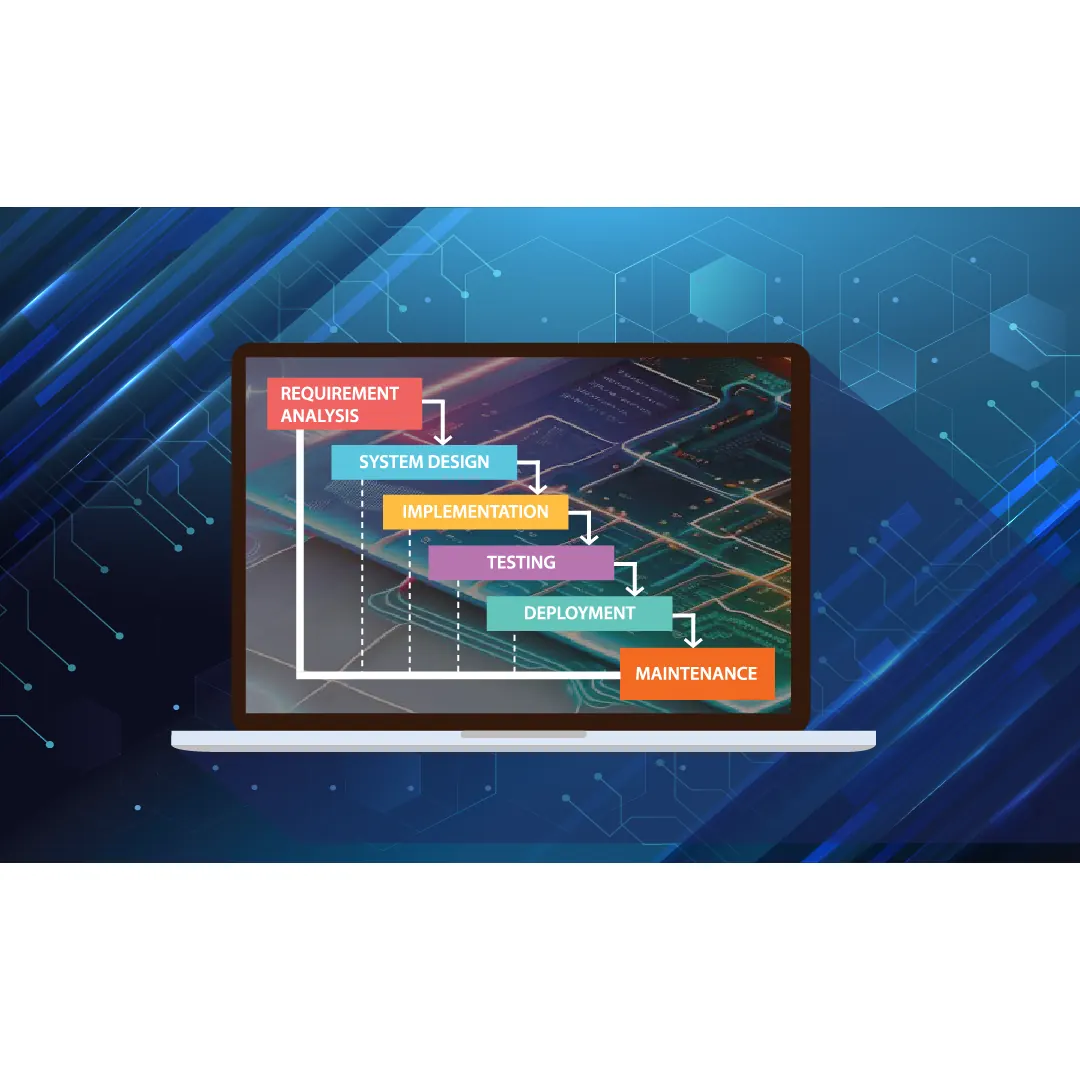

A number of procedures are taken during the software development process to guarantee the production of high-quality software that satisfies user needs.
Gathering Requirements: In this first stage, software developers consult with clients to learn about their requirements and compile data on the intended features and functionalities of the product.
Analysis and Design: Following the collection of requirements, the software development team examines the data and draws up a design that describes the software's architecture and structure.
Coding: After the design step is over, coding takes place. To produce the software in accordance with the concept, developers write code using programming languages and software development tools.
Testing: The software is tested once the coding is finished to find any flaws, performance issues, or compatibility concerns.
Deployment: The program is prepared for deployment once it has been tested and any necessary adjustments have been made. This includes setting up the software for use and installing it on the target platform.
Maintenance: Following the deployment of the program, the maintenance phase starts. This entails resolving performance problems, updating the software to conform to evolving needs, and fixing defects.
In conclusion, providing high-quality software that satisfies user needs depends critically on the software development process. Software development teams may make sure that the software they produce is dependable, practical, and simple to use by adhering to a systematic procedure.